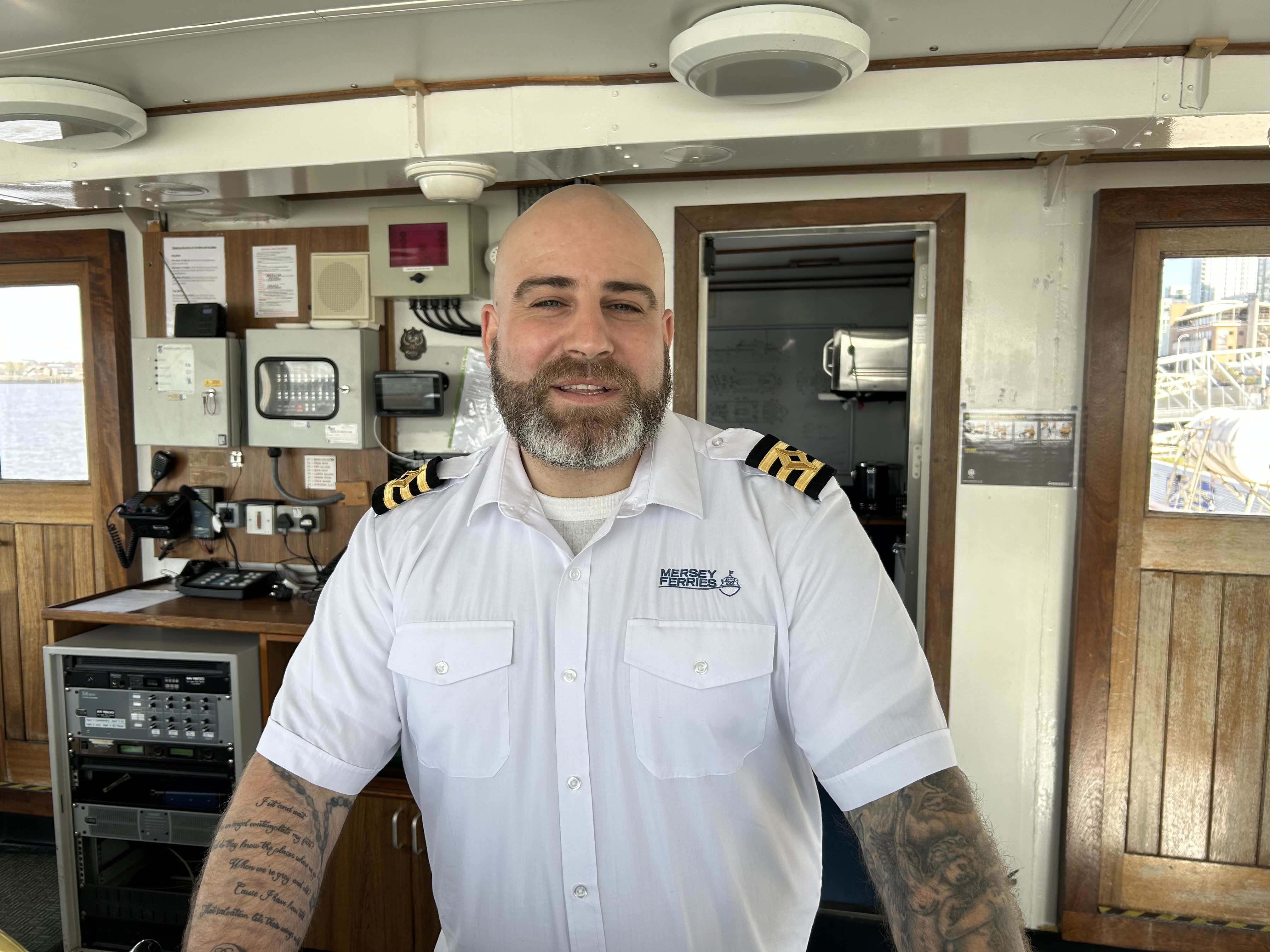
Farewell to Royal Iris of the Mersey
Published on
Friday, March 27, 2026
It's the end of an era - as the Royal Iris of the Mersey takes to the waves for the final time this weekend.
Built in 1959 in Dartmouth, and originally named the ‘Mountwood’ after a council estate in Birkenhead, our much-loved vessel has delighted millions of passengers over the past six decades.
Along the way, she has become a cultural icon - appearing in the ‘Ferry Cross the Mersey’ film, featuring in ‘The Liver Birds’ opening credits, and even playing a part in the 2012 Olympic Torch relay.
A true symbol of the River Mersey, saying goodbye is going to be emotional for our Mersey Ferries family.
We caught up with some of them as they prepare for one final boarding call and a special farewell cruise.
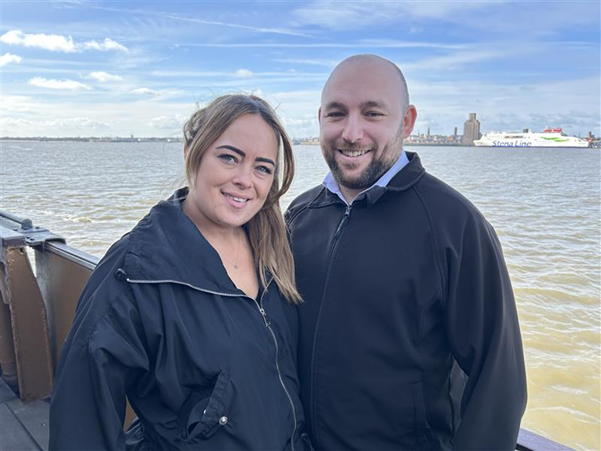
Captain Jack Easdown
“I’ve been working for Mersey Ferries for 21 years. I’ve done a lot of my training on this boat and have been sailing it for 15 years.
"With the sadness of saying goodbye, there’s excitement too with the new vessel coming out.
"My most memorable moment? Meeting my girlfriend Christine who works on the servery [Café ‘Cross the Mersey].
"We’ve got a two-year-old daughter together called…Iris!
"We wanted an old fashioned name that meant something special to the pair of us.”
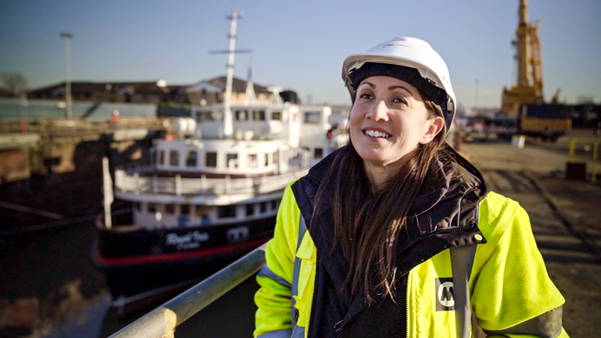
Louise Robinson, Marine Maintenance Manager
“It’s been an absolute privilege to have been a custodian of Royal Iris of the Mersey. She’s carried generations of passengers, created many memories and means so much to so many people. While I won’t miss the early morning phone calls because one of her obsolete pieces of machinery has broken down, I’m honoured to have been a part in her story and so proud of the engineering team who have worked tirelessly over the years to keep the vessel in service and running smoothly.
"At times, it’s not been easy keeping her going, she’s been demanding, but she’s earned that right by serving us so well over the last 60 years! It’s been our jobs to pander to her every need and give her all the attention she deserved and more. She will be missed by us all.”
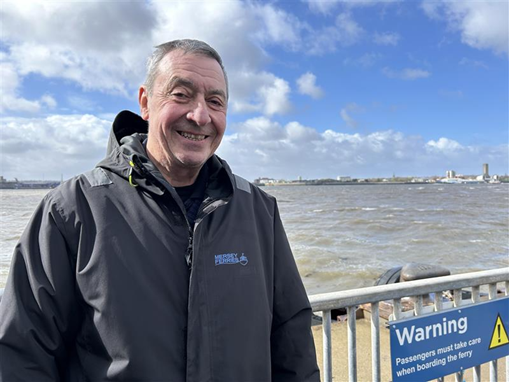
John Mills, Mate
“I feel emotional. I’ve been here 16 years, but I come from a long seafaring family and I’ve been at sea 53 years. I’ve stood on her stage, waited at the side stage, and spent years up on the bridge as ship’s head. The captains at the time encouraged me to train on the navigation, and I’ve learned so much from this river and this ferry.”
“Before they built the big landing stage we have today, we used to tender the big cruise ships because they couldn’t tie up here. They’d anchor in the river and we’d go alongside them to help get the passengers on land. That was quite an operation – it took careful co-ordination between us and the cruise ship. We’d bring passengers ashore for their days out, then take them back on later. Once the new landing stage was built, it wasn’t necessary anymore.
“It’s always sad when a ship finishes but we’ve got a great replacement, a fantastic new boat to look forward to.”
Dave Poole, Customer Operations Manager
“She’s carried passengers for over 60 years and given a lot of service to the City Region, so saying goodbye is tinged with sadness. The engineering team have done an unbelievably fantastic job keeping her going all this time! Countless memories made for the vast number of people that have been on that vessel from all over the world. I’ll miss seeing the traditional colours and the name the Royal Iris, which is synonymous with Mersey Ferries.
"On the upside, it opens the door to a new era, which is really exciting. It’s time to embrace another Royal and we’re really looking forward to seeing that and making new memories on board.”
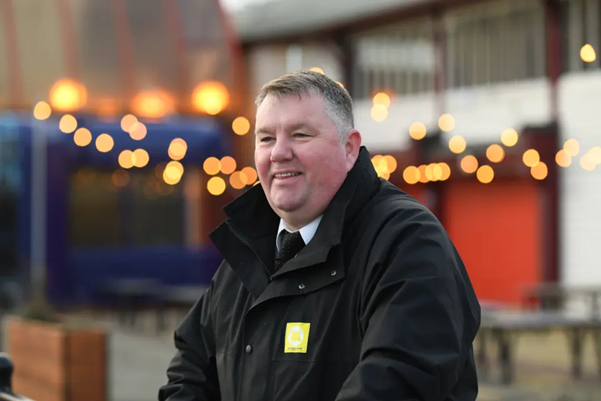
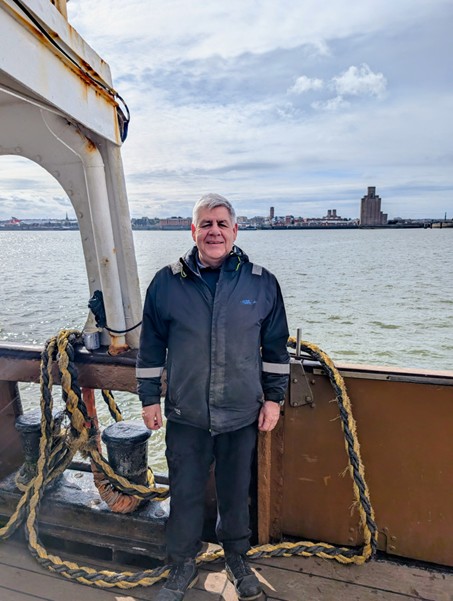
Dan Evans, Customer Service Officer - Deck
“My experience has been great on here. Even being an experienced seaman, this job was different – the little nicks you’ve got to know. I had to learn again even after 40 years of sea life. It’s a job that's specific to the ferry and its own traits. Every ship is different. Iris is old and she’s traditional - people like it and the people who work on it seem to like this boat. She’s a nice boat.
“There’s been loads of great events over the years like the Manchester Ship Canal cruises. I also remember the Hindu festival Ganesh Chaturthi where hundreds of people came to the Pier Head in worship.
“The boat will be bowing out on Sunday, and I’ll be bowing out on Tuesday. It’s been a great four years to end my career on. Everyone I’ve met at Mersey Ferries - from tills to on the ship – are so friendly and welcoming. From day one you’re made to feel part of the family. You’re right at ease straightaway. The time has flown. When I came here, I thought I’d give it 12 months! I’ve just reached a time now where it’s time for me to go, like old Iris.
“At 16, I signed up to the Merchant Navy at the main office next to the Merseytravel headquarters – that’s where all merchant seamen used to go to get their next ship away. Fast forward 40 odd years, and we’re getting ready for the new ferry. I'm sort of finishing where I started.”
Ian Hayman, Marine Operations Manager
“An era of the river is drawing to a close. Built in 1959, retired in 1989 and later brought back into service, the Royal Iris of the Mersey has operated on the Mersey for more than six decades; one of the most challenging and unforgiving rivers in the world. An iconic boat, a fantastic piece of maritime engineering and a testament to the original designers.
“I worked aboard in the ‘tuck shop’ and later as a Deckhand, Mate and Captain, and in recent years have overseen from ashore. For me, retirement marks progress; the same opportunities that shaped me are now there for the next generation of people and apprentices and I love that I have been able to shape that.
Operating and maintaining a boat like this takes constant effort, and over the years there has been plenty of blood, sweat and tears invested in keeping her going. I both love and hate this boat in equal measure! More than sixty years of relentless operation on the Mersey is quite a gauntlet to lay down.”
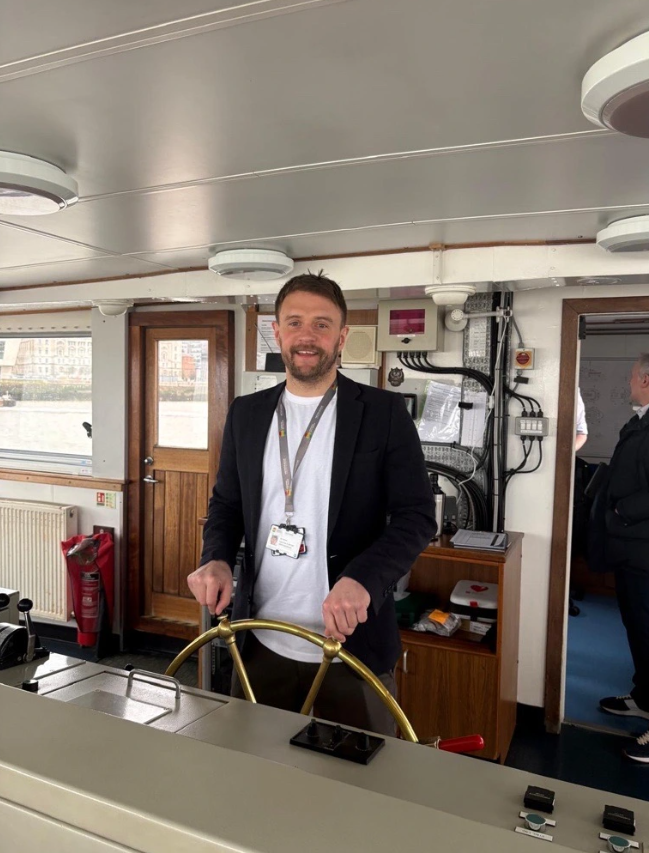
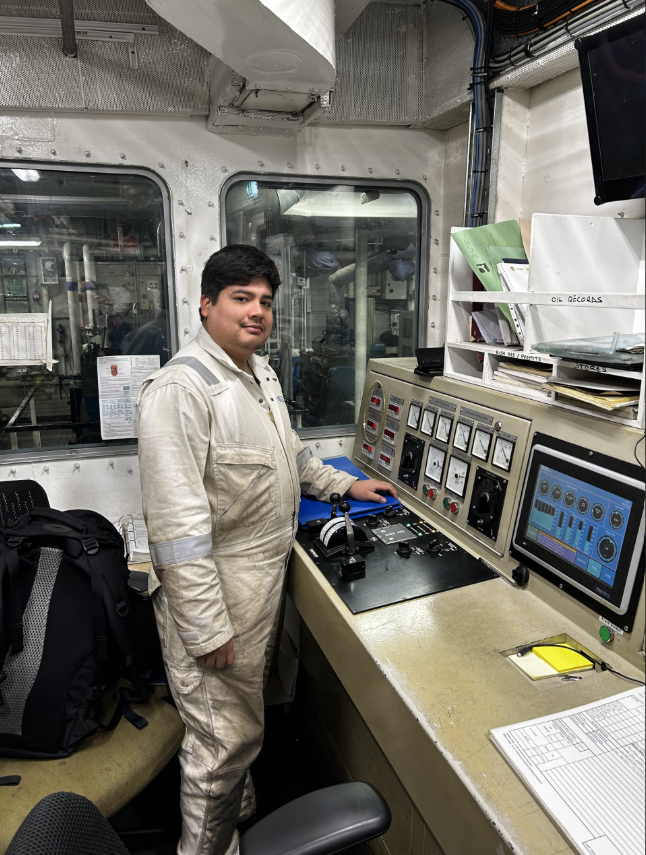
Celvin Peers, Vessel Engineer
“My dad was also a seafarer. He died in 2018 and I found myself needing a job quickly. I'd been qualified for a year by then and contacted an old friend of my dad's who ran a Maritime recruitment agency. He'd told me about a position available on Mersey Ferries. A month after my dad's funeral, I started here. It’s difficult to find work as British Seafarers so I felt lucky. My manager was amazing with me when I first started and I’ve really grown to enjoy working here.
“We get so many regulars every day and they’ve known this boat since they were children. I’ve seen people grow up and retire. There’s one passenger called Robert who has come on here every day since he was four. He’s 37 now!
“We used to have wooden gangways and they had to be maintained by a shipwright. Now we have mechanical ones. We had new engines in the early 2000s and other refurbishments over the years. It requires a lot of maintenance and can be physical work, especially when we have inspections. These boats need to pass an annual inspection to carry passengers so have to be ship-shape, otherwise it affects the whole operation. It’s a real team effort. There’s seven engineers that work on the vessel and one extra outside the dock and we all pitch in. The seawater pumps on the engines are big and heavy and there’s no way one person could replace those alone, but with regular maintenance, we do it ourselves.
“Most people don’t realise it’s not like a car, you can’t just turn a key, and everything starts! There’s a whole plan that you need to start the engines - the compressors, standby pumps to give it energy. We have to make sure nothing is wrong with the engine, like water leaks, before it starts. We make our own electricity with generators. Even the toilets - we have our own sewage treatment plant on the boat that processes and cleans onboard.
“Everyone is fond of this vessel because it works well, even though it’s been a big job to keep her going. We do something called an ‘out of water’ survey and it takes a long time to do. I was on the Royal Iris for two straight months making sure things got done and monitoring her. Because you put so much effort into trying to keep her going, you get attached and it is sad to see her go, but times are changing. All the training we’re doing [for the new ferry] is exciting to experience.
“I’m bringing my wife with me to the final cruise – she's never been on the Iris before so it will be her first and last time on the ferry.”
Jay Hennessey, Mate
“My first boat was the Royal Iris of the Mersey. It’s nice that as a crew we’re having a night to say goodbye to her. The best thing about working on the Iris has been meeting all the people, especially the crew. It sounds stupid, but it really is a family – we look after each other.”